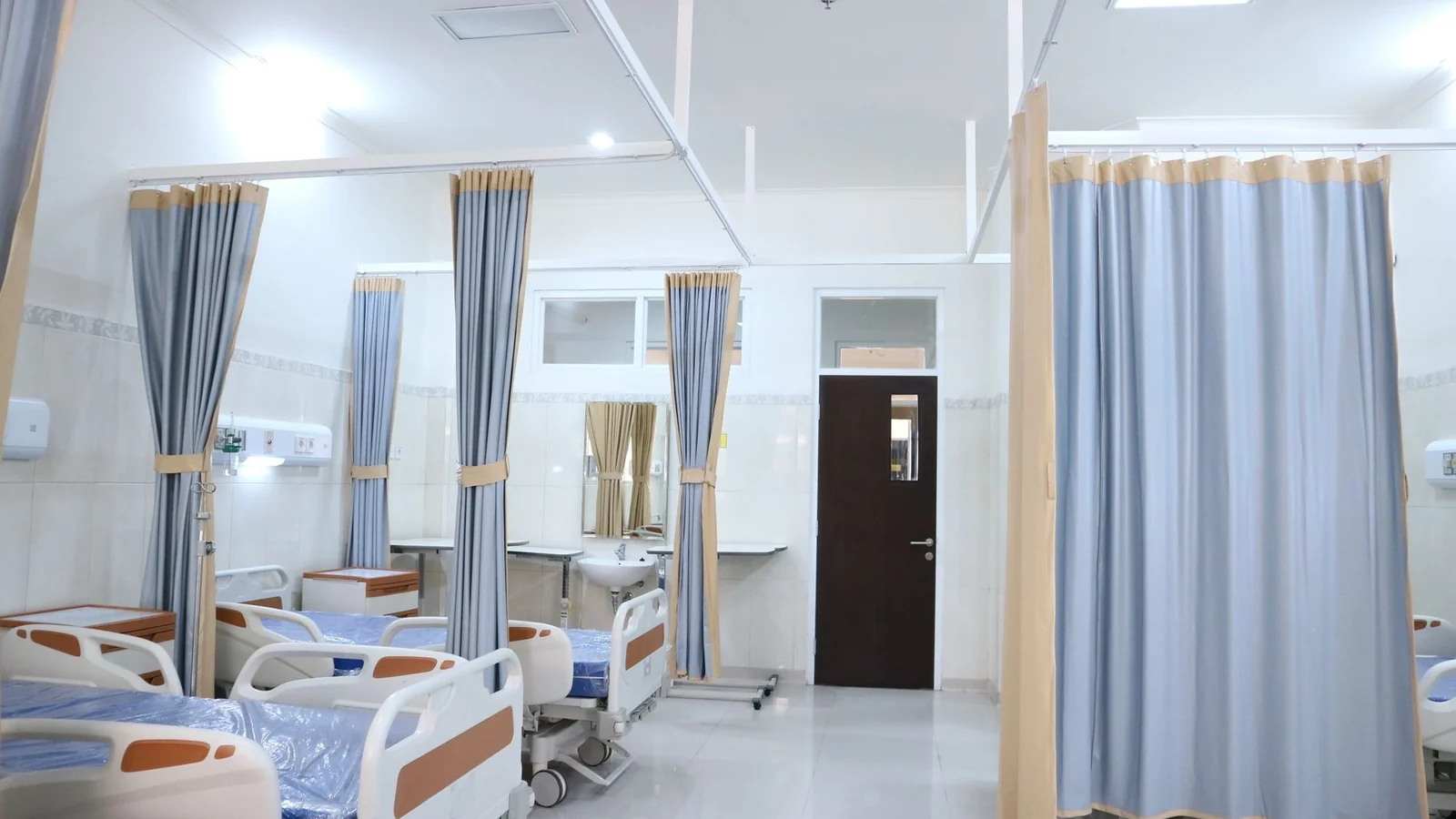
Need medical care in Indonesia? Your first decision is whether you have active BPJS JKN entitlement, private/travel insurance or neither. A tourist, a foreign employee, and a long-term family resident do not automatically have the same public coverage. The clinic you can use and how you pay may also differ between Jakarta and smaller islands.
Which patient are you?
| Situation | First thing to establish |
|---|---|
| Short-term tourist | Does your actual travel policy cover Indonesia, the activity, pre-existing conditions and transfer between islands? |
| Foreign employee staying longer term | Ask HR which BPJS Kesehatan/JKN scheme covers you, from which date and whether enrollment is completed |
| Foreign family member or independent resident | Ask BPJS about your actual visa/residence and participant category rather than borrowing a citizen's registration path |
| Travel between Bali, Lombok, Java or smaller islands | Identify the nearest competent facility and how evacuation/transfer will be paid for |
| Changing jobs or employer sponsorship | Confirm the health coverage loss and next enrollment date rather than assuming the ID card alone preserves cover |
The six-month rule means something specific
Under Indonesia's Law No. 24 of 2011, Article 14, the national social-security participation duty includes foreign nationals who work in Indonesia for at least six months. Article 15 assigns covered employers participant-registration duties. This is not a universal guarantee that any tourist can enroll simply after spending six months there; other legal, employment and participant conditions apply.
Example: A foreign software employee signs a real Indonesian employment contract for a year. HR should check the applicable BPJS participant/enrollment steps, document the effective date and provide the membership identification—not tell the employee “all foreigners are covered automatically”. A tourist who has spent five weeks surfing in Bali should not expect BPJS to pay a hospital bill based on this employment provision.
At BPJS Kesehatan, confirm the participant ID, active eligibility status, employer-paid/individual contribution responsibility, registered first-level health facility (FKTP), and referral pathway. Do not infer that an online submission or employer promise proves an active membership. If a category is excluded or exempt, get an actual BPJS determination.
How to use healthcare once you are covered
Indonesia's JKN system uses a tiered facility/referral arrangement for much ordinary care, with separate emergency rules. Ask BPJS which primary-care facility is assigned, how a referral to specialist/hospital care works, whether the proposed hospital participates and what your share or any noncovered items will be. A private insurer's direct-billing arrangement may be entirely different.
Before a normal appointment:
- Check provider specialty, opening time and ability to manage the problem.
- Confirm it accepts your active JKN eligibility or private policy; ask if it bills directly or takes payment up front.
- Bring accepted ID, BPJS membership proof or insurance information, a list of prescriptions and allergies.
- Request itemised receipts and referral documents for later follow-up.
- If the issue is urgent, seek medically appropriate emergency care instead of delaying it solely to organise reimbursement.
Illustrative case: Someone in Jakarta wants a non-emergency specialist. If using JKN, the question is whether their assigned first-level provider and referral rules require a prior assessment. If using private insurance, the question may instead be network approval. They should not assume either coverage opens every private hospital without conditions.
Remote islands and risky activities
Medical costs and time to competent facilities can vary greatly between cities and smaller islands. For diving, scooters, surfing, treks or ferries, read the policy's activity, licence, helmet, intoxication and rescue/evacuation exclusions. An ambulance or helicopter transfer is not universally included in basic insurance; ask who authorises and pays for it.
Keep your insurer's emergency phone number available offline, and identify a hospital suitable for your condition near your lodging. If you expect ongoing treatment, consider whether the local facility can handle it or whether a larger city is needed.
Example: A visitor rents a scooter without the licence/insurance conditions their travel policy requires. The policy may exclude injury costs arising from that activity. Checking the contract before renting is safer than discovering the exclusion at a hospital.
Medication, costs and transitions
Identify medicine by active ingredient and dose, not only a foreign brand. BPOM controls certain import and product issues; a home-country prescription does not automatically authorise bringing controlled substances. Ask BPOM/customs about the precise ingredient and personal amount before flying.
For a worker who leaves an employer, get a written answer from HR and BPJS about coverage termination, changes to payer or participant category and the next due contribution. Public participation status, visa validity and employer sponsorship are separate records. Keep backup payment funds for care during any confirmed gap.
Use actual BPJS premiums or quoted private policy costs in your Indonesia budget calculator, not unsupported internet averages.
Before you seek care
Before arranging non-urgent care, find out who will pay on the treatment date, which facility will accept that coverage and whether you need a referral or prior approval. If your BPJS eligibility or private-policy exclusions remain unclear, ask with your actual employment, residence and insurance documents. In an emergency, do not delay medically necessary care solely to resolve reimbursement paperwork.