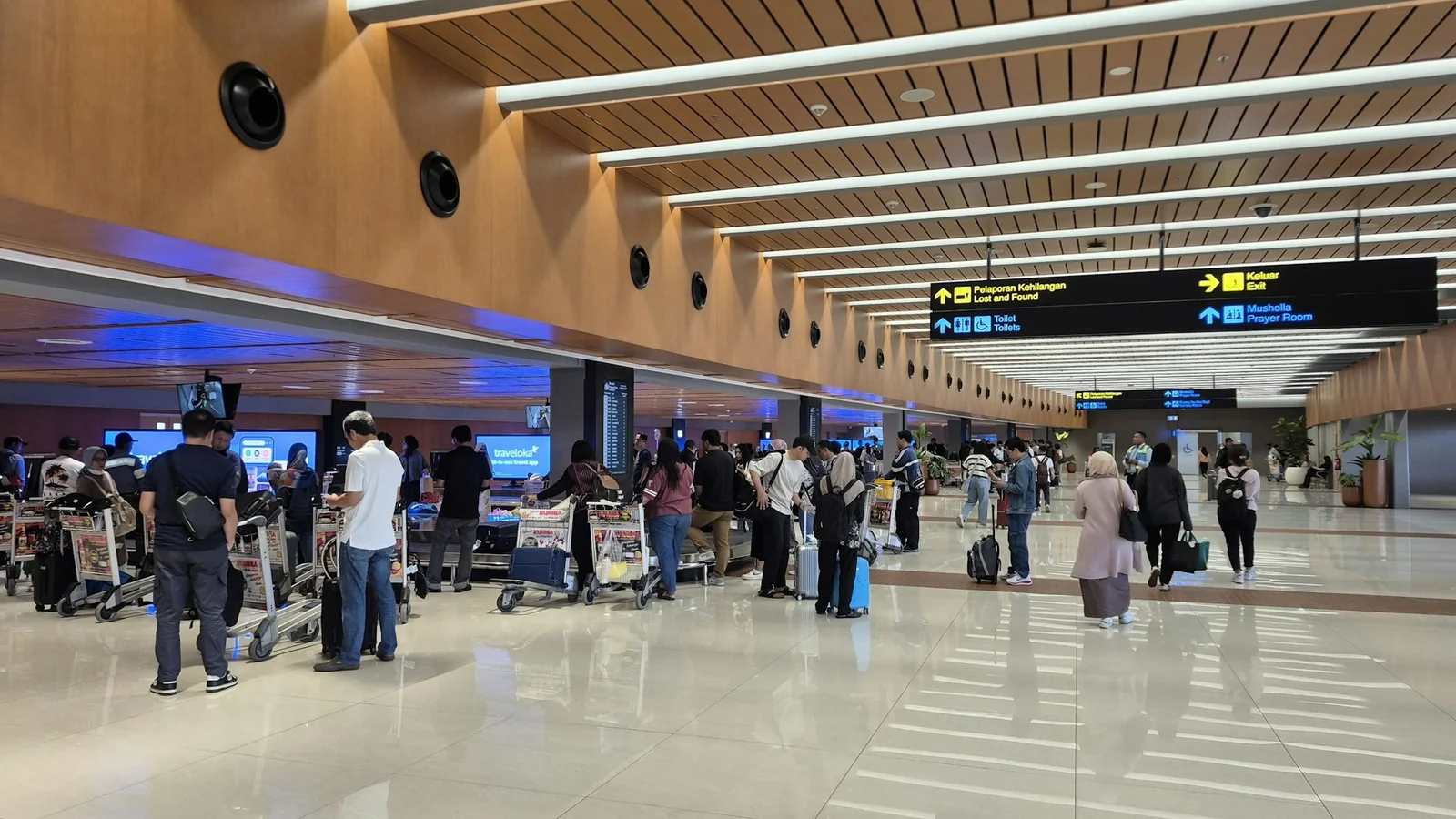
A visa valid for 90 days does not necessarily let you stay in Indonesia for 90 days. That number can be the deadline for using the visa to enter, while the permitted stay after arrival may be much shorter. Before booking your accommodation, check the visa index, the days allowed per arrival and whether you need to leave and come back.
You also need Indonesia’s separate, free All Indonesia arrival declaration before travelling. Its QR is not an entry visa, and a tourist admission does not itself authorise Indonesian employment.
1. Choose your visit permission by the days and entries you actually need
Start with your passport nationality, why you are visiting, how many days you will stay per arrival, and whether you will leave and return. Indonesia has different visa-exempt, arrival-visa, prearranged single-entry and multiple-entry categories. Similar-sounding labels do not confer the same rights.
| Your trip | An appropriate category to investigate | Important limit |
|---|---|---|
| Short tourism trip, with a passport currently eligible for visa exemption | A1 visa-exempt tourism | Normally up to 30 days, not extendable. Do not plan a 45-day stay on this admission. |
| Tourism, family visit or transit, passport currently eligible for Visa on Arrival | B1 Visa on Arrival (VOA) / electronic VOA (e-VOA) | One entry, up to 30 days initially; one eligible extension can bring the stay to 60 days total. |
| A single tourism/family visit for around two months or longer | C1 prearranged single-entry visit visa | Up to 60 days initially; Immigration describes eligible extensions up to 180 days total. A C1 needs the appropriate application and sponsor route; it is not simply an extended VOA bought at the airport. |
| Several separate tourist trips to Indonesia | D1 multiple-entry tourism visit visa | Designed for repeat entries, not unlimited continuous residence. Check the stay allowed on each entry, visa validity, sponsor/filing conditions and extension rules. |
| Indonesian employment, local paid services, study, family residence or a long-term move | A category for that actual activity, not a tourist visa | A visit permission is not authorisation to start local work or acquire permanent residence. |
These distinctions come from the Ngurah Rai Immigration visa-exemption and VOA instructions, the B1 service, C1 service, and the 2026 Indonesian Immigration visa-category catalogue. Eligibility by passport must be checked again when you apply, rather than inferred from a 2024 or 2025 nationality list.
A real 45-day holiday: If you are eligible for B1, the initial 30 days alone are not enough: you need an eligible extension before expiry. If you instead enter under nonextendable A1 visa exemption, you cannot fix the problem just by paying a B1 extension fee. For one longer visit, also compare a prearranged C1 application before departure.
Three trips across a year: A D1 multiple-entry visa may be relevant, but the visa's overall use-by date and authorised days for each entry are separate limits. A long-validity multiple-entry document does not let you live continuously in Indonesia for its full calendar term. The category actually issued controls.
A 90-day or longer stay involving work or family residence: Compare the correct residence route in Working and longer stays in Indonesia rather than trying to string together tourist entries. A one-time departure and return does not guarantee admission or erase an overstay.
Don't confuse the three different clocks
- Visa validity: the period in which an issued visa can be used to enter. The B1 service states that an electronic VOA (e-VOA) must be used within 90 days after issue, while a paper VOA is used on arrival. The C1 service also describes 90 days to use the issued visa. None of these dates adds 90 days to the permitted stay after admission.
- Period of stay: the actual days allowed after you are admitted, initially 30 for B1 or 60 for C1 in the published descriptions; inspect your issued document and Immigration's admission record.
- Entry count: a single-entry visa cannot normally be reused to come back from Singapore or Malaysia, regardless of the calendar time left on its original document. Check a D1's conditions if repeat trips are necessary.
The initial B1 government visa fee is listed as Rp500,000, while the C1 visa service lists Rp1,000,000 for visa issuance. These are visa fee components, not guaranteed all-in trip totals: extensions, payment processing, sponsorship administration and other costs can differ. Check the final government payment assessment before paying an agent.
2. Apply and extend through Immigration—not just a payment screen
For eligible applicants, start with the official Indonesian e-Visa system and choose the real category and passport nationality. It shows application, payment, issued document and extension services. In particular:
- B1 e-VOA: the official B1 instructions describe online extension through the e-Visa system. A non-electronic VOA holder is directed to an Immigration Office. Both routes can involve further in-person checks.
- C1: the official C1 instructions require an appropriate sponsor/account in the published procedure and describe online extension by the sponsor through the registered account. Obtain the genuine sponsor's details, not a fictitious arrangement.
- Extensions after 29 May 2025: Immigration's Ngurah Rai office explains that stay-extension applicants, including VOA holders, must attend for photographs and interview after submitting documents online, with special assistance possible for specified vulnerable applicants. A July 2026 Immigration update also tells applicants to bring the original supporting documents for verification and biometrics. Do not assume an online payment completes a stay extension without an appointment or attendance.
- Timing: ask the responsible office about the current submission window well before the current authorised stay ends. Published office pages differ on the earliest application day and can depend on visa type; follow your actual e-Visa case notifications and the office assigned by your Indonesian address.
- Different status instead of extension: Immigration describes a possible bridging mechanism for some B1 cases and a C1-to-ITAS route with the appropriate sponsor. Neither is automatic, a universal in-country conversion right, or permission to work while the application is pending.
Before paying, verify the passport spelling, visa index, permitted activity, entry count, sponsor when applicable and intended stay. Save application reference, payment confirmation, issued visa and any biometrics appointment notice separately. A submitted form is not an issued visa; an issued visa is not a guarantee of admission; a paid extension is not necessarily an approved extension.
3. All Indonesia: a separate free declaration
Indonesia's Immigration Ministry announcement says All Indonesia became compulsory for international arrivals from 1 October 2025, combining immigration, customs, health and quarantine arrival declarations. Use allindonesia.imigrasi.go.id or the official app. You can complete it from three days before arrival.
Prepare passport and flight/arrival details, your Indonesian accommodation and whatever customs/health declarations actually apply. Save the confirmation or QR for travel. There is no official paid “priority All Indonesia” requirement simply to make the declaration; avoid lookalike sites requesting card details for a free process.
Example: Your flight to Bali lands Saturday. Complete the form in the preceding three-day window, checking the real arrival date; then carry both the QR and any visa approval. One does not replace the other.
4. Check your admitted stay after landing
Before departing passport control, check the admitted stay / electronic Immigration permission and actual last legal date. Book extensions before that date. The official Yogyakarta Immigration guidance explains local VOA extension filing timing, but the right office/channel depends on the exact type, domicile and current digital procedure.
If your plan changes after arrival, compare the new date against the actual end of authorised stay, not the visa's earlier use-by date. Keep the extension application and any immigration-office appointment notice accessible until you receive an actual decision.
Domestic transfer after international arrival: Jakarta–Bali or Bali–Lombok flights do not by themselves create a fresh international admission or reset the visa clock. Plan immigration, luggage, customs and domestic check-in time at your first international airport.
Planning a job, remote employment or family move instead of a visit? Use the Indonesia work and long-stays guide or the temporary-to-permanent stay guide as relevant. Visitor status is not proof that remote work, teaching or local consulting is lawful for the actual category.
5. Before you book the trip
Before paying for a non-refundable flight or a long rental, write down the visa index, passport eligibility, authorised days per entry, extension route, any required sponsor and re-entry plan. Then complete the free All Indonesia declaration in its actual pre-arrival window. If your planned stay depends on an extension, budget for the immigration-office visit as well as the filing fee.